"Motel" Revealed: A Portmanteau of Motor and Hotel
Ever paused to consider the linguistic origins of the familiar word "motel"? It’s a term so ingrained in our travel vocabulary that its very structure often goes unnoticed. Yet, delving into the Motel Etymology reveals a fascinating blend of practicality, innovation, and the spirit of American road travel. The word "motel" isn't just a random assortment of letters; it's a clever linguistic invention, a portmanteau that perfectly captures its essence: a hybrid born from the burgeoning age of the automobile.
The Art of the Portmanteau: A Linguistic Blend
Before we dissect "motel," let's understand the concept of a portmanteau. In linguistics, a portmanteau word is a blend of two (or more) distinct words or morphemes into one new word, typically combining both their sounds and their meanings. Think of it as a suitcase (the original meaning of "portmanteau" in French) where two separate ideas are neatly packed into a single, compact form.
Famous examples abound:
- Smog, a blend of smoke and fog, accurately describes a polluted atmospheric condition.
- Brunch, combining breakfast and lunch, perfectly names that leisurely meal enjoyed mid-morning.
- Spork, merging spoon and fork, identifies a utensil with characteristics of both.
These linguistic creations are more than just clever wordplay; they serve a vital purpose. They allow us to concisely name new concepts, technologies, or cultural phenomena that arise from the fusion of existing ideas. The word "motel" is a quintessential example of this linguistic efficiency, emerging precisely when a new form of accommodation was needed to serve a revolutionary mode of transportation.
Unpacking the "Motel" Portmanteau: Motor + Hotel
The core of Motel Etymology lies in its two parent words: motor and hotel. This blend isn't accidental; it’s a direct response to the profound societal and technological shifts occurring in the early 20th century. Prior to the widespread adoption of the automobile, long-distance travel was primarily by train, horse-drawn carriage, or stagecoach. Overnight stays typically meant seeking out traditional hotels or inns located within city and town centers.
However, the advent of the affordable Ford Model T and the rapid expansion of the United States highway system in the 1920s dramatically changed the landscape of travel. Americans were suddenly free to embark on long-distance road journeys, exploring the country with unprecedented flexibility. This newfound mobility, however, quickly highlighted a glaring gap in the existing accommodation infrastructure.
Traditional hotels, often multi-story buildings in bustling downtown areas, were not designed for the needs of the automobile traveler:
- Parking was a nightmare: City hotels rarely offered ample, convenient parking.
- Accessibility: Navigating city traffic and finding the hotel could be time-consuming.
- Cost: Urban hotels often catered to business travelers or those on extended stays, making them less ideal for a quick, overnight stop on a road trip.
What was needed was a new type of accommodation: one that was inexpensive, easily accessible directly from the main routes, and provided convenient parking for vehicles. Thus, the concept of a "motorists' hotel"—a specialized lodging designed with the motorcar traveler in mind—began to take shape. And with this new concept came the necessity of a new name, perfectly captured by the blend of "motor" and "hotel."
The Birth of a Word: Tracing "Motel" Back to 1925
While the concept of roadside accommodation had existed in various informal forms like tourist camps and basic cabins, the formal coining and popularization of the word "motel" can be traced quite precisely. According to linguistic records, the word motel was coined in 1925. This pivotal moment is often attributed to the Milestone Interstate Corporation, which was planning to build a chain of "motor hotels" and sought a catchy, descriptive name.
A fascinating historical reference from "Hotel Monthly" in March 1925 states: "The Milestone Interstate Corporation ... proposes to build and operate a chain of motor hotels between San Diego and Seattle, the hotels to have the name 'Motel.'" This quote offers compelling evidence of the word's earliest recorded public usage, highlighting its intentional creation to signify a new era of travel lodging. For a deeper dive into this historical moment, read more about The Origin of Motel: Tracing Its 1925 Word History.
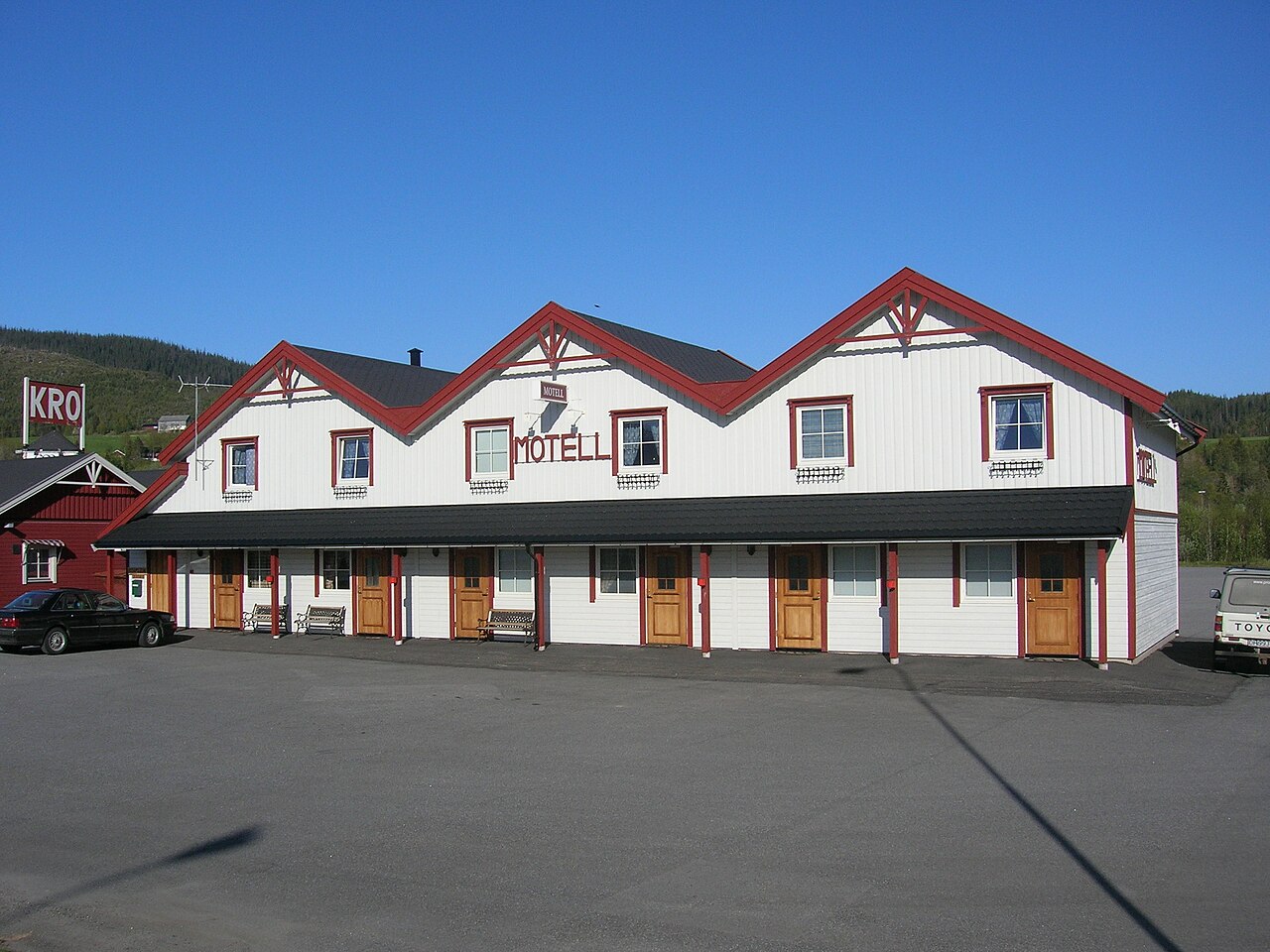
Initially, a motel referred to a specific architectural typology: typically a single building comprising connected rooms whose doors faced a parking lot and, in some circumstances, a common area. Alternatively, it could be a series of small, individual cabins arranged around a central parking area. This design was revolutionary because it offered:
- Direct Room Access: Travelers could park their car directly in front of their room, a convenience unimaginable in traditional city hotels.
- Quick Check-in/Check-out: Bypassing a formal lobby often made the process faster.
- Self-Sufficiency: The design catered to travelers who desired independence and ease of access.
While coined in 1925, the term gained wider recognition and began appearing in dictionaries more frequently after World War II, a period that saw another surge in automobile travel and highway construction across the United States.
More Than Just a Word: The Cultural Impact and Evolution of Motels
Understanding the Motel Etymology is incomplete without appreciating the profound cultural impact these establishments had on American society and beyond. Motels didn't just provide beds for the night; they became symbols of freedom, adventure, and the open road. They were an integral part of the classic American road trip, offering a sense of democratic travel for families and individuals alike.
As the U.S. Interstate Highway System truly blossomed in the 1950s and 60s, motels evolved rapidly. Their architecture became iconic, often featuring vibrant neon signs, distinctive mid-century modern designs, and amenities like swimming pools and air conditioning, which were a luxury for many travelers. The L-shaped or U-shaped layouts remained popular, maximizing parking efficiency and often creating a central courtyard for recreation.
Motel Facts & Insights:
- Innovation in Design: Motels innovated by placing emphasis on direct access to rooms from a parking lot, fundamentally changing the interaction between traveler and lodging.
- Economic Accessibility: They typically offered more affordable rates than city hotels, making long-distance travel viable for a wider segment of the population.
- Cultural Touchstone: Motels became settings in countless films, books, and songs, reflecting their deep-seated place in American folklore, sometimes representing glamour, sometimes grit, and often the transient nature of life on the move.
- Evolving Distinction: While the lines between "hotel" and "motel" have blurred significantly today, with many modern motels offering amenities comparable to hotels, the fundamental difference often still lies in the architectural layout – direct room access versus internal corridors.
The rise of motels is inextricably linked to the story of American mobility and the development of its infrastructure. For a deeper exploration of how these unique accommodations carved out their niche in the national consciousness, consider exploring Why Motels Emerged: The 1920s Highway Travel Story.
Conclusion
The word "motel" is a brilliant linguistic snapshot of a pivotal moment in history. Born from the simple yet revolutionary concept of combining "motor" and "hotel," it perfectly encapsulates the needs of a new generation of travelers exploring an expanding network of highways. From its coinage in 1925 to its eventual ubiquity, the journey of the word "motel" mirrors the journey of the American road trip itself—a testament to innovation, adaptation, and the enduring human desire to explore. So, the next time you see a motel sign, remember you’re looking at more than just a place to stay; you’re witnessing a linguistic and cultural artifact, a portmanteau that tells a compelling story of progress and convenience.