The open road, the hum of an engine, and the thrill of discovery – these were the hallmarks of a new era of travel sweeping across America in the 1920s. As automobiles transitioned from luxury items to commonplace possessions, a nation eager for adventure began to explore its vast landscapes. But this newfound freedom presented a unique challenge: where would these intrepid motorists rest their weary heads and park their precious vehicles at the end of a long day's journey? Traditional hotels, often nestled in bustling city centers, were ill-equipped for the demands of the automobile traveler. The stage was set for a revolutionary concept in lodging, and with it, a new word entered the lexicon: the motel. Understanding the "Motel" Revealed: A Portmanteau of Motor and Hotel means delving deep into the specific needs and innovations of this transformative decade.
The Roaring Twenties: Accelerating America's Travel Habits
The 1920s, often celebrated as the "Roaring Twenties," was a period of unprecedented economic growth, cultural flourishing, and technological advancement in the United States. Central to this transformation was the automobile. Henry Ford's assembly line had made cars like the Model T affordable for the average American family, unleashing a powerful desire for mobility and exploration. No longer tethered to train schedules or horse-drawn carriages, people embraced the freedom of spontaneous road trips.
However, the infrastructure to support this automotive revolution was still in its infancy. Roads were often unpaved, signage was sparse, and finding suitable overnight accommodation was a genuine hurdle. Existing hotels were typically grand, multi-story establishments located downtown. They catered to rail travelers or those arriving by horse and buggy, offering valet services for luggage but little thought for a motorist needing easy access to their car, or even a parking spot. The idea of hauling suitcases through a grand lobby after a dusty drive was far from appealing for the average family on a budget. Early attempts to fill this gap included rudimentary "tourist camps" or "auto camps," often simple plots of land where travelers could pitch a tent or rent a basic cabin. While functional, they lacked comfort, services, and often, security. The demand for something better, more tailored, was palpable.
Unpacking the Portmanteau: The Genesis of Motel Etymology
The word "motel" itself is a fascinating linguistic artifact, perfectly capturing the innovation it represents. It's a prime example of a portmanteau word – a term coined by blending two (or more) words and their meanings into one new word. Think of "smog" (smoke + fog) or "brunch" (breakfast + lunch). For those curious about the precise beginnings of this term, exploring The Origin of Motel: Tracing Its 1925 Word History provides even more detail.
The concept of Motel Etymology reveals its practical roots. "Motel" is a blend of "motor" and "hotel," or more specifically, "motorists' hotel." This wasn't merely a stylistic choice; it was a deliberate and descriptive fusion. The "motor" component immediately signaled its direct connection to the automobile, distinguishing it from traditional "hotels." It was designed *for* motorists, *by* motorists, or at least with their specific needs paramount.
While the word entered dictionaries more widely after World War II, its coinage dates back to 1925. One of the earliest documented uses comes from the "Hotel Monthly" in March 1925, referencing the Milestone Interstate Corporation's proposal:
The Milestone Interstate Corporation ... proposes to build and operate a chain of motor hotels between San Diego and Seattle, the hotels to have the name 'Motel.'
This citation is crucial because it highlights that "motel" wasn't just a casual term; it was conceived as a brand identity, a new category of lodging for a burgeoning industry. It perfectly encapsulated the idea of accommodation designed around the car, offering unparalleled convenience for the traveler on the go.
From Roadside Cabins to the Iconic Motel Blueprint
The emergence of the motel was a direct response to the specific needs of the 1920s automobile traveler. These weren't simply hotels with parking lots; they were fundamentally different in design and philosophy. The early motels evolved from the primitive tourist camps into more sophisticated, purpose-built structures.
Initially, this often meant a series of small, individual cabins or cottages clustered around a central parking area. Travelers could pull their car right up to their cabin door, unload their belongings easily, and have their vehicle safely within sight. This direct access was a game-changer compared to the hassle of downtown hotel stays.
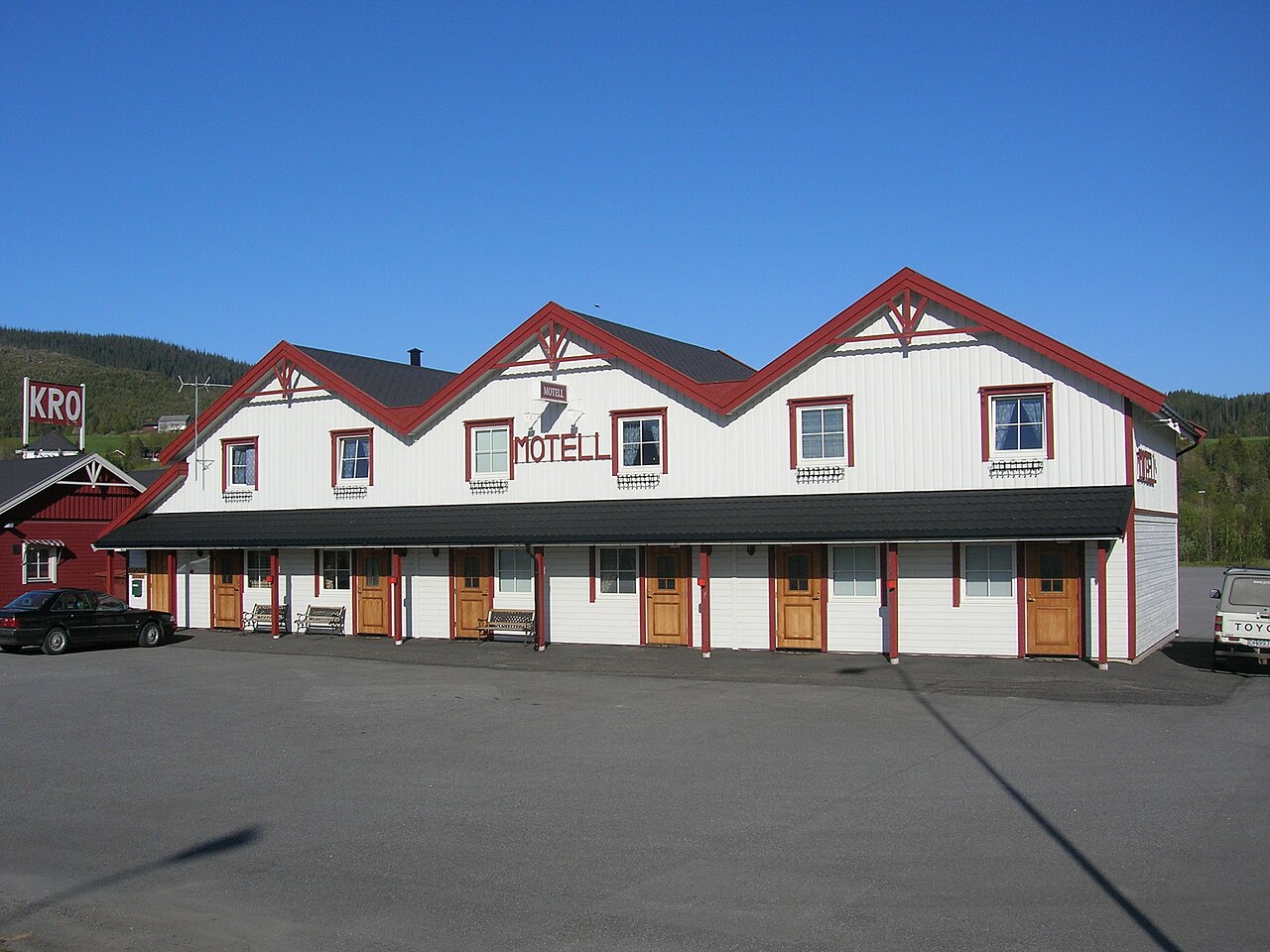
The design quickly evolved to what became the classic motel blueprint: a single building (often L-shaped or U-shaped) consisting of connected rooms, with each room having its own exterior door facing a common parking lot. Sometimes, a shared courtyard or swimming pool would be central to the layout. Key design characteristics included:
- Direct Parking Access: The ability to park literally steps from your room door was paramount.
- Roadside Location: Motels were strategically built along main highways and emerging routes, making them easy to spot and access without navigating confusing city streets.
- Affordability: Generally, motels offered a more budget-friendly option compared to full-service hotels, appealing to families and workers on the move.
- Simplicity and Efficiency: Fewer amenities than a traditional hotel meant streamlined operations and lower costs, which translated to savings for the traveler.
- Privacy: Individual exterior entrances offered a sense of autonomy not found in internal hotel corridors.
This design was revolutionary. It facilitated quick check-ins and check-outs, allowed travelers to easily access their luggage throughout their stay, and provided a sense of security for their vehicle. It was clear that the "motor hotel" was not just a clever name, but a distinct and practical solution for the mobile age.
The Enduring Legacy: Motels Beyond the 1920s
While born in the 1920s, the motel truly blossomed in the post-World War II era, especially with the creation of the Interstate Highway System in the 1950s. Routes like the legendary Route 66 became arteries for a burgeoning tourism industry, and motels dotted these landscapes, offering rest and rejuvenation to countless families exploring America. They became symbols of freedom, adventure, and the quintessential American road trip.
Today, the motel landscape is diverse. While some older, independent motels have struggled against large hotel chains, many have found new life. Boutique motels, often renovating historic structures, offer retro charm combined with modern amenities, catering to travelers seeking unique experiences. Others continue to serve as vital, affordable accommodations for truckers, budget travelers, and families on long journeys.
Tips for Appreciating Motel History:
- Look for Original Architecture: Keep an eye out for U-shaped or L-shaped layouts, neon signs, and period-specific architectural styles (like Googie or mid-century modern) when traveling.
- Research Historic Routes: Drive a portion of an old highway, like Route 66, to experience the context in which motels thrived.
- Support Independent Motels: Many charming, family-run motels offer a glimpse into the past and unique hospitality.
- Visit a "Motel Museum": While rare, some museums or historical societies dedicate exhibits to the history of roadside architecture and travel.
The story of the motel is a testament to human ingenuity in adapting to changing times. It’s a narrative woven into the fabric of American travel, offering a window into the evolution of our roads, our vehicles, and our inherent desire to explore.
Conclusion
The emergence of motels in the 1920s was far more than a simple development in the hospitality industry; it was a direct reflection of a new national identity defined by the automobile. As Americans hit the open road in unprecedented numbers, the demand for practical, accessible, and affordable lodging spurred innovation. The word "motel," a perfectly crafted portmanteau of "motor" and "hotel," wasn't just a label; it was a promise of convenience tailored specifically for the car-centric traveler. Understanding Motel Etymology helps us appreciate how language evolves to meet cultural shifts and reminds us that even the simplest words can tell a rich story of innovation, adaptation, and the enduring human spirit of adventure.