The Genesis of a Name: Unpacking the 1925 Origin of "Motel"
Have you ever paused during a long road trip, perhaps pulling into a familiar roadside establishment, and wondered about the very word describing your temporary haven? The term "motel" is so ingrained in our travel lexicon that its origins often go unexamined. Yet, like many words that perfectly capture a concept, "motel" boasts a fascinating history, a precise moment of creation, and a societal context that made it indispensable. Our journey today takes us back to 1925, a pivotal year when America's love affair with the automobile necessitated a brand-new form of accommodation, and with it, a brand-new word. This exploration into the
Motel Etymology reveals not just a linguistic blending, but a reflection of a nation on the move.
The Portmanteau Phenomenon: Blending Words for a New Era
Before we delve into the specifics of "motel," it's crucial to understand the clever linguistic device that brought it to life: the portmanteau. A portmanteau word is a creative fusion, a linguistic alchemy where two (or more) words or morphemes merge to form a single, new word. This new creation typically combines both the sounds and meanings of its constituent parts, offering a concise and often evocative description. Think of "smog," a blend of "smoke" and "fog," perfectly describing a hazy atmospheric condition. Or "brunch," marrying "breakfast" and "lunch" for that delightful midday meal. These words aren't just convenient shortcuts; they encapsulate complex ideas or emerging realities with elegant brevity.
Portmanteaus have proven incredibly effective because they immediately communicate the essence of something new by referencing existing, familiar concepts. In a rapidly evolving world, where new inventions and lifestyles constantly emerge, coining a portmanteau is a brilliant way to name and define these novelties. It's a testament to human ingenuity that we can compress layers of meaning into a single, pronounceable term. For a deeper dive into this fascinating linguistic process and how "motel" fits perfectly into this category, you might find our related article,
"Motel" Revealed: A Portmanteau of Motor and Hotel, particularly insightful. The genius behind "motel" lies precisely in this blending: it clearly signals its purpose and patronage from its very sound.
Birth of a Word: 1925 and the Milestone Innovation
The year 1925 marks the definitive origin of the word "motel." It wasn't a word that organically evolved over decades; it was consciously coined, a deliberate act of branding and definition. The specific moment is attributed to the visionary plans of the Milestone Interstate Corporation. This forward-thinking company proposed an ambitious project: to construct and operate a chain of "motor hotels" stretching along the West Coast, specifically between San Diego and Seattle. Their chosen name for these establishments? "Motel." This seminal mention appeared in the "Hotel Monthly" publication in March 1925, forever cementing the word in history.
The decision by Milestone Interstate Corporation to create a new word for their "motor hotels" was remarkably prescient. It wasn't merely a catchy name; it was a strategic choice that recognized a fundamental shift in travel. Traditional hotels were often grand, multi-story buildings situated in city centers, requiring bellhops and porters, and catering to rail or ship travelers. The burgeoning automobile culture demanded something different – something designed *for* the motorcar and *its* traveler. By blending "motor" and "hotel" (or "motorists' hotel"), the term "motel" immediately conveyed that these were accommodations specifically tailored for automobile travelers. It was a succinct descriptor that differentiated them from their urban predecessors and signaled a new era of convenient, roadside lodging. This act of naming was not just linguistic innovation; it was a foundational piece of business strategy that helped define an entire industry.
Paved Roads, Open Doors: The Societal Shift Behind the Motel's Rise
The coining of "motel" in 1925 was not an isolated linguistic event; it was a direct response to monumental societal and technological transformations sweeping across the United States. The 1920s, often dubbed the Roaring Twenties, saw an unprecedented boom in automobile ownership and, crucially, the rapid development of the nation's highway system. As paved roads began to snake across the continent, long-distance road journeys transitioned from arduous expeditions to increasingly common adventures for the burgeoning middle class. With this newfound freedom of the open road came an urgent demand for a new type of overnight accommodation.
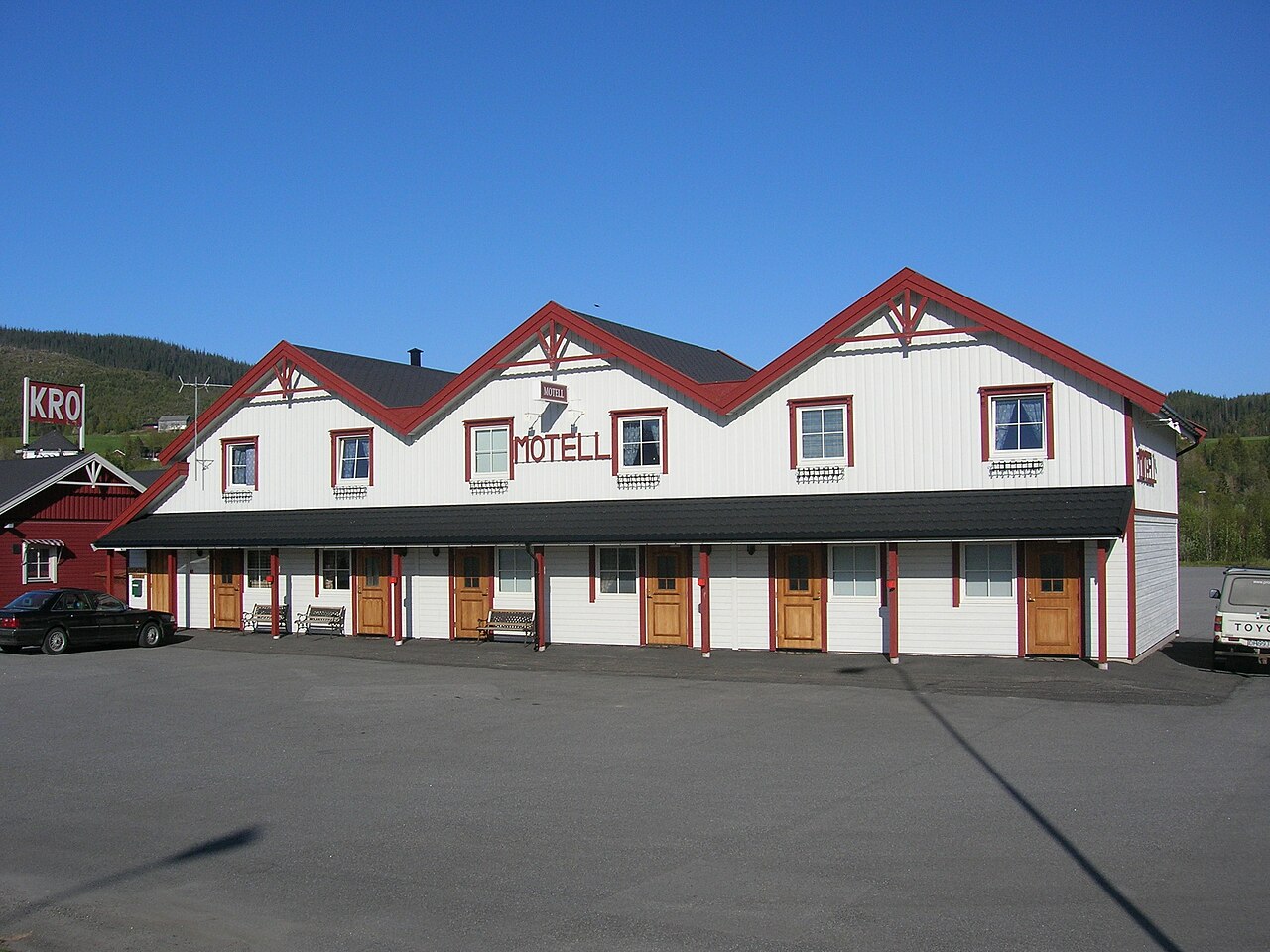
Traditional hotels, often located in urban centers, were ill-suited for the spontaneous, self-reliant automobile traveler. These new motorists needed inexpensive, easily accessible places to rest, located conveniently close to the main routes, without the formality or expense of downtown establishments. This is precisely where the "motel concept" blossomed. Early motels were characterized by their distinct design: often a single building comprising a series of connected rooms, each with its own door directly facing a parking lot. In other iterations, they might have been a collection of small, individual cabins sharing a common parking area. This layout was revolutionary. It allowed travelers to park their car directly outside their room, facilitating easy unloading and loading, and offering a sense of autonomy and convenience that traditional hotels simply could not match. The car wasn't just a mode of transport; it dictated the very architecture and service model of these new lodgings. To explore the broader context of this societal shift, our article
Why Motels Emerged: The 1920s Highway Travel Story provides further fascinating insights into this transformative period.
Beyond the Name: The Enduring Legacy and Evolution of Motels
While the word "motel" was coined in 1925, its widespread adoption and formal entry into dictionaries didn't occur until after World War II. This lag underscores how a word, even a brilliantly conceived one, takes time to fully permeate the common lexicon and reflect a truly established concept. Post-WWII, the national highway system further expanded, car ownership soared, and cross-country travel became a quintessential American experience, solidifying the motel's place in popular culture and the national landscape.
From their humble beginnings as simple, functional stopovers, motels evolved considerably. They began to incorporate amenities like swimming pools, vending machines, and eventually, in-room telephones and televisions. For a time, they epitomized the glamour and freedom of the open road, featuring iconic neon signs and unique architectural styles. However, with the advent of the interstate highway system, larger hotel chains recognized the success of the roadside lodging model and adapted, leading to the rise of branded hotels located just off exits. This shift, coupled with changing traveler expectations, led to a period where many independent motels struggled, sometimes becoming symbols of quaint nostalgia or even disrepair.
Today, the term "motel" still evokes a specific image, though the industry itself has seen cycles of decline, reinvention, and resurgence. Many historic motels have been lovingly restored and rebranded as boutique hotels, embracing their mid-century charm. The enduring legacy of "motel" lies in its remarkable ability to capture a moment in time – a time when the automobile reshaped not just how we traveled, but how we rested, ate, and interacted with the landscape. It's a word that speaks to convenience, accessibility, and the enduring allure of the open road. Understanding its origin provides a unique window into America's past and the creative power of language to adapt to changing needs.
Conclusion: The Enduring Power of a Well-Coined Word
The journey to understand the
Motel Etymology reveals more than just the origin of a word; it uncovers a fascinating intersection of linguistic innovation, entrepreneurial vision, and profound societal change. Coined in 1925 as a clever portmanteau of "motor" and "hotel," the word "motel" was born out of the necessity to accommodate a new generation of automobile travelers. Its creation by the Milestone Interstate Corporation was a brilliant stroke of branding, perfectly signaling a distinct type of lodging tailored for the developing highway system. From its initial description of rooms facing parking lots to its evolution and enduring cultural significance, the motel stands as a testament to the power of a well-chosen word to define, shape, and reflect an entire era of human experience. So, the next time you spot that familiar sign, remember its roots in the Roaring Twenties, a time when a new word paved the way for a new adventure.